Electronic Signatures in U.S. Business Contracts: What to Know
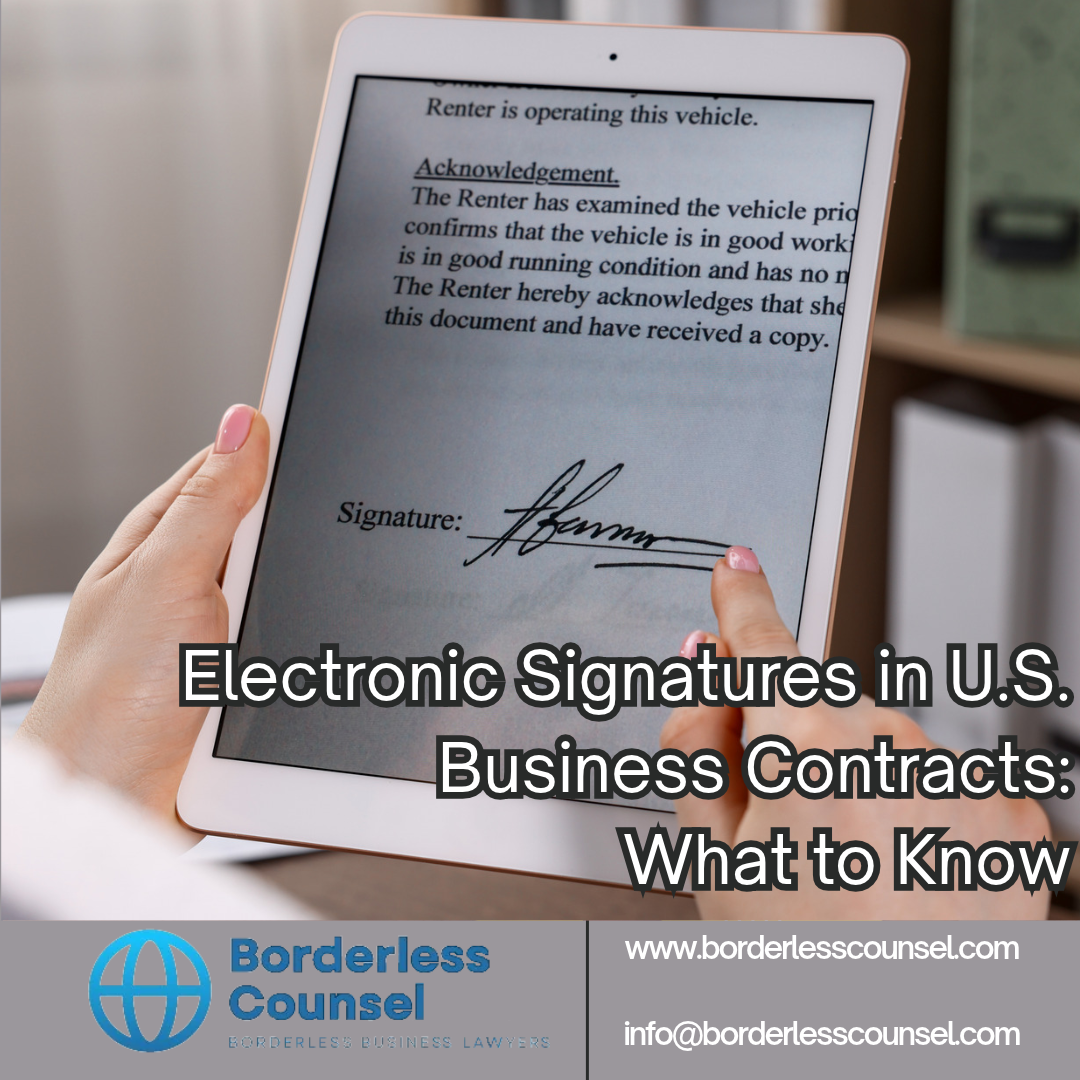
Businesses increasingly use electronic signatures to finalize contracts without printing, signing, and exchanging paper documents. From service agreements and non-disclosure agreements to commercial contracts, electronic signing can simplify the process of doing business.
Under U.S. law, electronic signatures are generally recognized as legally valid. However, an electronic signature does not automatically make every agreement enforceable. Businesses should understand the applicable requirements and ensure their signing process creates a reliable record of the agreement.
Are Electronic Signatures Legally Valid in the United States?
Two important legal frameworks govern electronic signatures in the United States: the federal Electronic Signatures in Global and National Commerce Act (E-SIGN Act) and state laws, many of which are based on the Uniform Electronic Transactions Act (UETA).
Generally, these laws prevent a contract or signature from being denied legal effect solely because it is in electronic form. Electronic signatures can therefore be used for many ordinary business contracts.
However, electronic signing is not compulsory. Parties may still require paper signatures, and certain documents and transactions are subject to specific legal requirements or exceptions.
What Qualifies as an Electronic Signature?
An electronic signature is not limited to a handwritten signature reproduced on a screen.
Depending on the circumstances, it may include typing a name into a signature field, selecting a button to sign or accept an agreement, or drawing a signature electronically.
The important consideration is whether the process demonstrates the person’s intention to sign or agree to the document. The circumstances should also support attributing the signature to the person who is being asked to sign.
What Makes an Electronically Signed Contract Reliable?
An electronic signing platform can help businesses maintain records of who signed an agreement, when it was signed, and which version of the document was executed.
Before relying on an electronically signed contract, businesses should consider whether:
· the parties clearly intended to enter into the agreement;
· the person signing had the authority to bind the relevant business;
· the final document contains the agreed terms;
· the signing process provides an appropriate record of the signatures and signing history; and
· the completed agreement can be accessed and accurately reproduced later.
These steps can help establish a clearer record if a dispute arises about whether a contract was signed or what its terms were.
Are There Exceptions?
Although electronic signatures are recognized for many business transactions, not every document can be signed electronically under the same rules.
The E-SIGN Act contains specific exceptions for certain documents and transactions, including wills, codicils, testamentary trusts, and matters governed by state laws concerning adoption, divorce, or other family-law issues. Other exceptions include certain transactions governed by the Uniform Commercial Code, official court documents, and certain notices, such as default, foreclosure, or eviction notices for a primary residence and cancellations of utility services or health or life insurance. Other documents may be subject to additional requirements under applicable state law or separate legal rules.
Consumer transactions also require particular attention. When a law requires written disclosures to be provided to consumers, the E-SIGN Act imposes specific consent and disclosure requirements before those disclosures can generally be provided electronically.
Businesses should therefore check the rules applicable to the particular agreement rather than assume that every document can be handled through a standard electronic signing process.
What Should Businesses Do Before Signing Electronically?
For many routine business contracts, electronic signing can be a practical alternative to paper-based execution. The main considerations are whether the agreement is suitable for electronic execution, whether the signatories have the necessary authority, and whether the signing process creates a reliable record.
Businesses should also retain completed agreements in a format that remains accessible and can be accurately reproduced. Where the law requires a record to be retained, the E-SIGN Act establishes requirements for electronic records to accurately reflect the original information and remain accessible for the required retention period.
Taking these steps can help businesses use electronic signatures efficiently while maintaining appropriate contractual records.
If your business uses electronic signatures or needs assistance preparing and reviewing U.S. business contracts, Borderless Counsel can help you understand the relevant legal considerations. Contact info@borderlesscounsel.com to discuss your needs.